Greatest
Film Directors of All-Time
These
honored selections are designed as a tribute to some of the
greatest directors with
suggested or recommended Best Films or 'Must-See' Films from
their filmographies. Unfortunately, some very talented directors
have been pushed aside (50 is a limiting number),
but it should be noted that many of these acclaimed film-makers
were highly innovative mavericks and renegades who challenged
the established 'system' that existed during their time.
[PLEASE NOTE: 50
of the listed "Greatest Film Directors" were selected
by Filmsite as the greatest of all time (see compilation
below and in the detailed pages that follow) indicated by a blue
tag. A few more than 50 directors are actually listed
on the six webpages that follow, due to the issue of not having
enough slots for the 'best of the best.']
The 50 Greatest Film Directors
of All Time
(alphabetical, unranked)

|
Woody Allen
|
Robert Altman
|
Ingmar Bergman
|
Mel Brooks
|
Tim Burton
|
James Cameron
|
Frank Capra
|
John Cassavetes
|
Charlie Chaplin
|
Coen, Joel and Ethan
|
Francis Ford Coppola
|
George Cukor
|
Michael Curtiz
|
Cecil B. DeMille
|
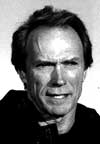
Clint Eastwood
|
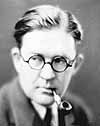
John Ford
|
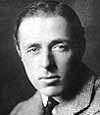
D.W. Griffith
|
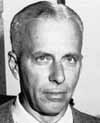
Howard Hawks
|
Alfred Hitchcock
|
John Huston
|
Peter Jackson
|
Elia Kazan
|
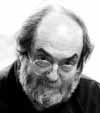
Stanley Kubrick
|
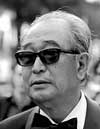
Akira Kurosawa
|
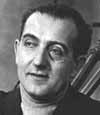
Fritz Lang
|
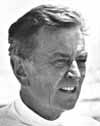
David Lean
|
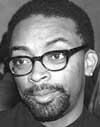
Spike Lee
|
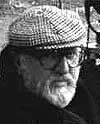
Sergio Leone
|
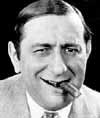
Ernst Lubitsch
|
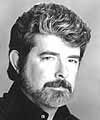
George Lucas
|
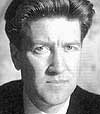
David Lynch
|
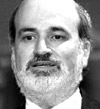
Terrence Malick
|
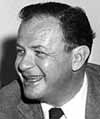
Joseph L. Mankiewicz
|
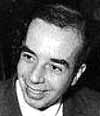
Vincente Minnelli
|
Mike Nichols
|
Sam Peckinpah
|
Arthur Penn
|
Roman Polanski
|
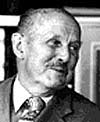
Michael Powell
|
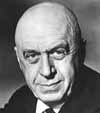
Otto Preminger
|
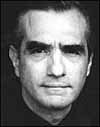
Martin Scorsese
|
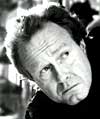
Ridley Scott
|
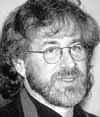
Steven Spielberg
|
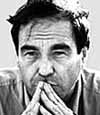
Oliver Stone
|
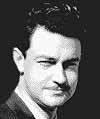
Preston Sturges
|
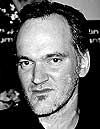
Quentin Tarantino
|
Orson Welles
|
Billy Wilder
|
William Wyler
|
Robert Zemeckis
|
Criteria For Selection
These choices
are meant to encourage discussion and comparison, and to educate
filmgoers about some of film history's most legendary and influential
forces in film-making.
The premise of honoring these film directors is
based upon the debatable auteur theory -- the idea that
the director is the primary 'author' or voice of a movie, and
through a director's film, we see one person's way of viewing
the world -- one that has the potential to change the way we see
the world. This theory also holds that the how of a film
(mise en scene, literally meaning 'putting in the scene')
is something under the director's control. Elements or features
of mise en scene include the action, composition, sets,
props, lighting, costumes, make-up, cinematographic style and
technique, and visual properties - and the theory postulates that
these things are more important than the what or subject
of the film.
In any regard, the director is probably the most important person responsible for creating 'movie magic' and mixing
together all the ingredients of the film-making process.
- each one has made a significant, indelible,
memorable and influential contribution to the development
of film and the film industry
- each one has skillfully directed a consistent
body of work with a number of great movies - three or four unquestionably
great films usually mark a top film-maker
- each one has a compelling vision, strong aesthetic,
and groundbreaking style that has helped to define cinema as
we know it today
- each one has a personal stamp that cuts across films, genres,
and decades
- each one is most deserving of an Academy Award
nomination (or award) and critical recognition
 See also
this site's extensive write-up of information about the Best
Director Academy Awards. (See the complete list of all Best
Director winners here). And
for fun, browse this site's information about Afred
Hitchcock's Cameos, the Most
Famous Film Director Cameos, and Notable
Appearances of Directors in Films of Other Directors. A Ranking
of the 100 Most Influential People in
the History of the Movies from the Film 100 site
is also worth a look. See also
this site's extensive write-up of information about the Best
Director Academy Awards. (See the complete list of all Best
Director winners here). And
for fun, browse this site's information about Afred
Hitchcock's Cameos, the Most
Famous Film Director Cameos, and Notable
Appearances of Directors in Films of Other Directors. A Ranking
of the 100 Most Influential People in
the History of the Movies from the Film 100 site
is also worth a look.
See also this site's multi-part compilation of
other deserved film directors (alphabetical) - More Great Film Directors.
Other Lists of Best Directors
Total Film Magazine's
100
Greatest Directors Ever
(August-September
2007 issues)
Note: Total Film's List Included
Picks for Each Director's "Picture-Perfect" Film
|
|