Disaster
Films: Disasters
have been the subject of film-goers' fascination since the time of silent
film epics, and this interest continues to exist up to the present
time. Catastrophes can take so many different forms - but they are
mostly man-made or natural. They can be either impending or ongoing,
or set in a distant future, or they can exist locally or globally. Disaster
Films: Disasters
have been the subject of film-goers' fascination since the time of silent
film epics, and this interest continues to exist up to the present
time. Catastrophes can take so many different forms - but they are
mostly man-made or natural. They can be either impending or ongoing,
or set in a distant future, or they can exist locally or globally.
The most-commonly portrayed disasters in films are:
- natural or environmental disasters or destruction
(earthquakes, floods, hurricanes, tropical storms, etc.)
- accidents (skyscraper fires, plane crashes, ocean liners
capsized or struck by icebergs, viruses unleashed)
- the result of human folly (mistakes, intentional
and/or unintentional)
- planetary-related (asteroids, comets or meteors
off-course)
- criminally-instigated (bombs planted in planes, terrorist
conspiracies)
- supernatural, including alien invasions and rampaging
creatures/monsters/zombies or viruses (often mutant)
- nuclear-related crises, sometimes prophetically
Biblical (nuclear war, Armageddon)
- millennial-related or apocalyptic (the end of
the world, or end of the century tales)
- the result of failed technology or technology-gone
awry (computers running amok, plague/scientific error)
Along with showing the spectacular disaster, these
films concentrate on the chaotic events surrounding the disaster,
including efforts for survival by the individuals experiencing
the threat, the effects upon individuals and families, and 'what-if'
scenarios. The best disaster films comment upon the negative effects
of advancing technology, demonstrate the 'hubris' of scientists
and other individuals, deliver uplifting moral lessons of sacrifice,
and provide a 'how-to' in terms of survival skills.
Disasters come in many different genres - they can
be dramas, horror, science-fiction, war, or adventure films.
Most disaster films have large-scale special effects (especially
in the recent past's mega-budget spectaculars), huge casts of stars faced
with the crisis, a persevering hero or heroine (i.e., Charlton Heston, Steve
McQueen, etc.) called upon to lead the struggle against the threat, and many
plot-lines affecting multiple characters. In many cases, the 'evil' or 'selfish'
individuals are the first to succumb to the conflagration. As in any sub-genre,
the move to capitalize on the 'disaster film' trend has led to many sub-par
disaster films, with weak and unsubtle, formulaic plots, improbable circumstances
and bad science, poor character development, and laughable acting from third-rate
stars portraying cliched characters.
The Greatest Disaster and End of the World Films
The Silent Era Through the 1940s
There were many earlier action/adventure
disaster films in the silent era through the advent of the talkies.
Some of the most notable were The
Hurricane (1937) - with one of the most spectacular tropical
storm scenes ever shot in film history. And two 50's films, The
High and the Mighty (1954) and Zero Hour (1957) - were
the inspiration for all the airplane disaster films of the 70s.
[Hitchcock's Foreign
Correspondent (1940) also contained a harrowing airplane
crash sequence.] The real horrors of World War II (the Holocaust),
and the perceived threat of nuclear annihilation and radioactive
mutancy during the resultant Cold War led to a further onslaught
of disaster-related films soon after in the 1950s.
Examples of disaster films before 1950 included:
- Rogue Comet Close to Earth Caused Chain Reaction
of Disasters: The End of the World (1916, Den.)
- Pompeii's Volcano Eruption: The
Last Days of Pompeii (1913), The Last Days of Pompeii (1935)
- Flood Disaster in a CityScape: Metropolis (1927)
- War Film with Deluge: Noah's Ark (1928)
- Arid
Winds, Drought: The Wind (1928)
- Comet on Collision Course with Earth: La Fin Du Monde (1931, Fr.) (aka End of the World)
- Epic Earthquake and Floods Threatening Environment: Deluge
(1933)
- Giant Ape Rampaging in New York City: King Kong (1933)
- Carnival Show or Display of 'Dante's Inferno'
Visualized, Plus Floating Gambling Ship Fire: Dante's
Inferno (1935)
- Volcano: The Last Days of Pompeii (1935)
- Gigantic Insects (in Dream Sequence): cartoon Mickey's Garden (1935)
- San Francisco 1906 Earthquake:
 San
Francisco (1936) San
Francisco (1936)
- Cautionary, Epic View of the Future (Including
WWII), Including Plague: Things to Come (1936,
UK) - remade
as The Shape of Things to Come (1979)
- South Seas Tropical Storm: The Hurricane (1937), remade as Hurricane (1979) (aka Forbidden
Paradise) with Mia Farrow
- Locust Attack: The Good
Earth (1937)
- Sinking 'William Brown' Ship on Fire: Souls
at Sea (1937)
- Massive Urban Fire Caused by O'Leary's Cow
Daisy Kicking Over Lamp: In
Old Chicago (1938)
- Earthquake and Horrific Flood: The
Rains Came (1939)
- Luxury Liner Disaster at Sea: Titanic
(1915), Titanic (1943, Ger.), also Titanic (1953),
A Night to Remember (1958), The Last Voyage (1960)
- New Zealand Earthquake: Green
Dolphin Street (1947)
The Era of Disaster Films During the Cold War
1950s: A Golden Age of Apocalyptic Cinema
With the threat of nuclear annihilation (the first
uses of the atomic bomb), political brinkmanship, the arms race
and the space race, cinema heated up with many forms of cataclysm.
- Nuclear Holocaust Disaster Survival: Five
(1951)
- Vegetable-Based Alien Organism Found in Arctic: The Thing (From Another World) (1951) - remade in 1982
- Aliens With Message of Peace: The Day the Earth Stood Still (1951) - remade in 2008
- Otherworldly Alien Visitor: The Man From Planet X (1951)
- Threat of Plane Crash: No
Highway in the Sky (1951, UK)
- Planetary Impact Between Earth and Rogue Planet: When Worlds Collide (1951)
- Communist A-Bomb Attack Upon US: Invasion USA (1952)
- Civil Unrest After Fake Messages From Russian-Influenced Man About Utopia on Mars: Red Planet Mars (1952)
- Smokejumper Rescues During Montana Forest Fires:
Red Skies of Montana (1952)
- Red Planet Invasion: Invaders From Mars (1953)
- Alien Crash-Landing in Arizona Desert: It
Came From Outer Space (1953)
- Martian Invaders from H.G. Wells: The
War of the Worlds (1953), remade as War of the Worlds
(2005)
- Amphibious, Fire-breathing Monster Brought to Life by
Nuclear Testing: Godzilla: King of the Monsters
(1954), and Gojira (1954,
Jp.)
- Loss
of Airplane Engine During Trans-Pacific Flight:
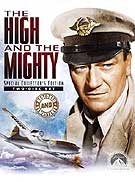 The
High and the Mighty (1954), a precursor to later
airplane disaster films The
High and the Mighty (1954), a precursor to later
airplane disaster films
- Radioactive Giant Ants: Them! (1954)
- Extra-terrestrials Kidnap American Scientists: This
Island Earth (1955)
- Survival After a Nuclear Attack: Day the World Ended (1956), remade as In the
Year 2889 (1966)
- Malevolent Pod-Creatures Take Over Human Bodies: Invasion of the Body Snatchers (1956) - remade in 1978, 1993 and 2007
- Giant Pterodactyl On the Loose: Rodan (1956,
Jp.)
- Alien Invasion and Attack by Flying Saucer-Spacecraft: Earth vs. The Flying Saucers (1956)
- Giant Carnivorous Praying Mantis: The
Deadly Mantis (1957)
- Alien Meteorites Grew (When Exposed to Water)
and Caused Human Petrification: The
Monolith Monsters (1957)
- Major Quakes Impending - Caused by Strange
Killer Rock (Element 112): The
Night the World Exploded (1957)
- Murderous Stowaway Life Form on Manned Mission to Mars: It! The Terror From Beyond Space (1958)
- Imperiled Ocean Liner: A Night to Remember (1958),
a documentary-like chronicling of the Titanic disaster when the ocean
vessel hit an iceberg
- End-of-World Tale - Meteors On Collision Course With Earth: The
Day the Sky Exploded (1958, Fr/It.)
- Post-Apocalyptic Tribal Society: Teenage Cave Man (1958)
- Giant Texan Lizards: The Giant Gila Monster (1959)
- Survivors of Nuclear Devastation (WWIII) Awaiting
End in Australia, As Radiation Drifted South: On the
Beach (1959)
- Sole Survivors in a World Decimated by Radioactive Cloud: The World, The Flesh, and the Devil (1959)
Apocalyptic End-of-the-World Cinematic Scenarios in the 1960s
Real-life historical events in the 1960s contributed
to the fervor for destruction on screen. The early 1960s Cuban
Missile Crisis, the late 60s Vietnam War, and the assassinations
of JFK and MLK were only a few examples of how troubling the decade
was.
- Sinking Ocean Liner: The Last Voyage (1960)
- Shipwreck: Swiss Family Robinson (1960)
- Inexplicable Bird Swarms and Attacks: The Birds (1961)
- Nuclear Explosions Causing Planetary Imbalance,
Floods, Fires: The Day the Earth Caught Fire (1961,
UK)
- Gigantic, Worshipped Moth (Nuclear Radiation-Produced) on Japanese Island: Mosura (1961, Jp.) (aka Mothra) - remade in 1996
- A Regenerated, Indestructible, Prehistoric Reptile On the Loose in Denmark: Reptilicus (1961)
- Nuclear Submarine Mission to Save the Earth: Voyage
to the Bottom of the Sea (1961)
- Nuclear Apocalypse in Los Angeles: Panic In
Year Zero! (1962) (aka End of the World)
- Rampaging Birds: The Birds (1963)
- Monster Super-Fest: Ghidorah, the Three-Headed
Monster (1964, Jp.)
- Threat of Accidental Cold War Nuclear War: Fail-Safe
(1964), and spoofed in Dr. Strangelove,
Or: How I Stopped Worrying and Loved the Bomb (1964)
- Few Survivors of Deadly Epidemic: The Last
Man on Earth (1964, It./US) (L'Ultimo Uomo Della Terra)
- Planetary Crack or Split in Earth's Crust Due
to Drilling and Detonation of Nuclear Missile in Africa: Crack
in the World (1965)
- Documentary About Nuclear Attack on Britain: The War Game (1965, TV)
- Threats of Giant Asteroid and Slimy Green, One-Eyed, Power-Hungry, Tentacled Mutants: The Green Slime (1968)
- Simian Apes Enslave Humans After Apocalypse: Planet of the Apes (1968) (and entire franchise-series from 1968-1973), plus remake Planet of the Apes (2001)
- Human-eating 'Living Dead' Zombies on the Loose: Night
of the Living Dead (1968)
- Sci-Fi Comedy About Existence in Post-Nuclear Holocaust England: The Bed Sitting Room (1969, UK)
- Volcano: Krakatoa, East of Java (1969)
(aka Volcano)
- US Astronauts Stranded in Space: Marooned (1969)
The Major Era of Disaster Films: The 1970s
In the 1970s, disaster
films underwent a strong revival and the decade is often considered
the 'golden era' of the disaster film. Actual disasters, such as
the Watergate crisis (from 1972 to 1974), the collision of two
747s in the Canary Islands (in late March, 1977), and the Three
Mile Island incident (in late March, 1979) made the time ripe for
Hollywood to contribute. Big-budget disaster films provided all-star
casts and interlocking, Grand
Hotel-
or "Ship of Fools" type stories, with suspenseful action,
races against time, and impending crises in locales such as aboard
imperiled airliners, trains, dirigibles, crowded stadiums, sinking
or wrecked ocean-liners, or in towering burning skyscrapers or earthquake
zones. There were also a number of films about how pollution, overpopulation,
and biological warfare was destroying society. To be popular, successful
or enduring, a disaster film must have a distinct crisis or dangerous
predicament that can be easily visualized, and it must also reflect
problems in individuals or in society.
Producer and director Irwin Allen was nicknamed "The
Master of Disaster" in the 1970s due to the tremendous success
of his films. The three films most responsible for jump-starting
the renaissance of spectacular disaster films were the social
drama Airport
(1970) - the most popular film of 1970, and Allen's two
special effects-laden epics The Poseidon Adventure (1972) and The
Towering Inferno (1974). These kinds of films would often receive
numerous special/visual effects Oscar nominations, but were often
neglected for their acting performances:
- Airliners
Imperiled:
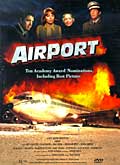 Airport (1970), an ensemble film with
a devastating blizzard at a "Chicago"-area airport, and a
desperate, unemployed individual (plotting to collect on
the travel insurance) with a bomb in his briefcase that was
detonated on a Rome-bound 707 airliner, resulting in a crippled
aircraft that needed to return and land; with an Oscar-winning
role for Helen Hayes! Airport (1970), an ensemble film with
a devastating blizzard at a "Chicago"-area airport, and a
desperate, unemployed individual (plotting to collect on
the travel insurance) with a bomb in his briefcase that was
detonated on a Rome-bound 707 airliner, resulting in a crippled
aircraft that needed to return and land; with an Oscar-winning
role for Helen Hayes!- Airport 1975 (1974), cockpit of 747 airliner
hit by small plane
- Airport '77 (1977), passengers trapped in a
jet 50 feet underwater in the Bermuda Triangle
- The Concorde: Airport '79 (1979), bomb
on-board plane bound for Moscow Olympics
- Spoofs: Airplane! (1980); also Skyjacked (1972)
- Computers Running Amok and Threatening Global Destruction: Colossus: The Forbin Project (1970)
- Virus Epidemic: The Andromeda Strain (1971)
- World Ravaged by Biological Warfare and Nocturnal
Mutants: The Omega Man (1971) - earlier
film was The Last Man on Earth (1964, It./US) (L'Ultimo
Uomo Della Terra), then remade
as I Am Legend (2007)
- Luxury Liners (Poseidon):
- The Poseidon Adventure (1972), a New
Years Eve tidal wave flips a passenger ship (USS Poseidon)
upside down during a New Years Eve party;
- Beyond the Poseidon Adventure (1979),
two competing Poseidon salvage
crews trapped again, with more survivors discovered from
original catastrophe
- Poseidon (2006) - a remake
that told of the towering rogue wave that capsized the ocean
liner, and the resultant efforts to survive
- Menacing Swampland Creatures: Frogs (1972)
- Monster Movie Parody (Attacking Giant Breast): Everything You Always Wanted to Know About Sex * But Were Afraid to Ask (1972)
- Mutant Flesh-eating Rabbits: Night of the Lepus (1972)
- Encounter With Tralfamaforians Aliens: Slaughterhouse-Five (1972)
- Biochemical Killer Virus: The Crazies (1973)
(aka Code Name Trixie)
- Endangered Underwater Research Station by Giant Fish: The Neptune
Factor (1973)
- Futuristic Overpopulated Society in 2022 Facing Famine and Unknown Food Source: Soylent Green (1973)
- Los Angeles Earthquake: Earthquake (1974) -
presented in Sensurround
- Bombs Planted Inside Steel Drums on Luxury
Cruise Liner: Juggernaut
(1974, UK)
- Burning-Blazing Fire in 138-story San Francisco
Skyscraper - The Glass Tower: The Towering Inferno (1974)
- Comic Look at Nuclear Apocalypse: A
Boy and His Dog (1975)
- Dirigible or Zeppelin: The Hindenburg
(1975) - the Hollywood version of events leading to the
1937 disaster
- Great White Killer Shark: Jaws
(1975) (and its sequels in 1978 and 1983) - the
terror unleashed at a New England coastal-beach community
by the presence of an enormous shark, stalked by a trio
of shark hunters and ending with a mythic battle
- Phallic-shaped Parasitic Infection in Canada, Causing Sex-Crazed Behavior: David Cronenberg's Shivers (1975) (aka The Parasite Murders)
- Disaster Comedy Parody About a Cross-Country,
Nuclear-Powered Bus Named Cyclops Traveling From NYC to Denver: The
Big Bus (1976)
- Virus-Infected Terrorist on Train: The
Cassandra Crossing (1976)
- Torrential Rains and Threat of Bursting Dam: Flood! (1976, TV) - Irwin Allen's first TV movie with Warner Bros.
- Giant Mutant Creatures on a Remote Island (rats,
chickens, wasps, and worms): The Food of the Gods (1976)
- Vicious African Killer Bees in New Orleans during Mardi
Gras: The Savage Bees (1976, TV)
- Animals Running Amok - Bloodthirsty Worms: Squirm
(1976)
- Sniper in Football Stadium: Two-Minute Warning
(1976)
- Out-of-Control Raging Forest Fire: Fire!
(1977, TV) - from producer Irwin Allen
- Super Bowl Stadium and Goodyear Blimp Loaded
With Bomb: Black
Sunday (1977)
- Giant Mutant Attacking Ants: Empire of the Ants (1977)
- Zombie Vampires: Rabid (1977)
- Amusement
Park Terror: Rollercoaster (1977)
- Ski Resort Avalanche: Avalanche (1978)
- True Account of Eastern Airlines 1972 Florida Everglades Crash: Crash (1978, TV)
- Unexplained Re-animated Zombie Attacks: Dawn of the Dead (1978)
- Nuclear Submarine Wreck: Gray Lady Down (1978)
- Clones Replicate Humans: Invasion of the Body Snatchers (1978) - a remake of the 1956 classic, and remade in 1993 and 2007
- Deadly Psychokinetic Powers to Induce Disasters: The
Medusa Touch (1978)
- Deadly Gemini Strain (M3) Virus: The Plague (1978)
- Killer Bees from S. America Invading Texas: The
Swarm (1978)
- More Rampaging Killer Bees: Terror
Out of the Sky (1978, TV) - sequel to the TV movie, The
Savage Bees (1976, TV)
- Nuclear Plant Meltdown: The China Syndrome
(1979)
- Sabotaged Oil Refinery Explosion in US City: City
on Fire (1979, Canada/US)
- Lawless Brutality and Biker Gangs in Dystopian
Australian Society Facing Depletion of Global Oil Supply: Mad
Max (1979, Australia) - (also entire series: 1981,
and 1985)
- Wayward Meteor Due to Hit Earth:
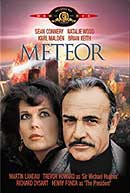 Meteor
(1979) Meteor
(1979)
- Dramatization of Titanic Disaster in 1912: S.O.S. Titanic (1979, TV)
- Threatened Moon Colonization Following Earth's Destruction: The Shape of Things to Come (1979)
Disaster Films in the 1980s:
There were only a few notable disaster films in the 1980s.
- Nuclear Accident: Chain Reaction (1980)
- Volcano: When Time Ran Out... (1980)
- Out of Control Urban Crime: Escape From New York (1981)
- Dramatization of 1980 Volcanic Mountain Eruption: St. Helens (1981)
- Post-Apocalyptic (Food and Fuel Deprived)
Australia - The Road Warrior vs. Motorcycle Gangs: The
Road Warrior (1982) (aka Mad Max 2 (1981, Australia))
- 1940s-1950s Atomic Bomb Propaganda: (Documentary) The
Atomic Cafe (1982)
- Threatening Shape-Shifting, Infectious Creature in the Antarctic: The Thing (1982) - a modern remake of the 1951 classic
- Deadly Virus and Threat of Nuclear Holocaust: Virus
(1982, US/Jp.)
- Visions of a Frightening, Apocalyptic Cataclysm: The Dead Zone
(1983)
- Realistic Recreation of Nuclear Disaster in US: Testament
(1983, TV)
- Effects of Nuclear Holocaust on Survivors
in the US Heartland (Kansas): The Day After (1983,
TV)
- Underground Mutant Cannibalistic Dwellers: C.H.U.D. (1984)
- Machines Ruled Post-Apocalyptic Los Angeles
in Year 2029: The Terminator (1984)
- Life in An Apocalyptic World Decades Later: Mad
Max Beyond Thunderdome (1985, Australia)
- Nuclear Explosion: The
Quiet Earth (1985)
- Reanimated Corpses Brought To Life as Unstoppable
Ghouls: The
Return of the Living Dead (1985)
- Collision-Course Runaway Trains: Runaway Train (1985)
- Radiation Poisoning Affecting an Elderly British
Couple After A Soviet Nuclear Bomb Explosion: When
the Wind Blows (1986, UK) (animated)
- Danger From Gangs in Neo-Tokyo (31 Years After
WW3 in 2019): Akira
(1988, Jp.) (animated)
- 24 Hours Before Nuclear War Disaster: Miracle
Mile (1988)
- Mysterious Military Nuclear Submarine Crash, and Aquatic
Aliens: The Abyss (1989)
Disaster Films: The
1990s
 There
was a modern-day resurgence of disaster films, beginning in the
mid-1990s and heightening at the turn of the century (with its Y2K
hysteria). The sub-genre was really revived at this time with the
emergence of advanced special effects techniques, and growing existential
anxiety about the state of things. The focus of such films was
often on the spectacular calamity and a small group of people in
imminent danger, and how they must cope or devise a method of escape,
or more recently, survive in the apocalyptic aftermath. There
was a modern-day resurgence of disaster films, beginning in the
mid-1990s and heightening at the turn of the century (with its Y2K
hysteria). The sub-genre was really revived at this time with the
emergence of advanced special effects techniques, and growing existential
anxiety about the state of things. The focus of such films was
often on the spectacular calamity and a small group of people in
imminent danger, and how they must cope or devise a method of escape,
or more recently, survive in the apocalyptic aftermath.
Here's a representative sample of 'disaster films'
from the 1990s:
- Threat of Global Nuclear Annihilation: The
Hunt for Red October (1990)
- Underground Worm-like Creatures: Tremors
(1990)
- Deadly Spiders: Arachnophobia (1990)
- Terrorists, Assassination Plot: Die
Hard 2: Die Harder (1990), Die
Hard: With a Vengeance (1995), The Jackal (1997)
- Arson on the Loose Causing Out of Control Fires
in Chicago: Backdraft
(1991)
- A Black Comedy Set in a Post-Apocalyptic Society: Delicatessen
(1991, Fr.)
- Terminator Cyborgs From the Future on a Present-Day
Mission: Terminator
2: Judgment Day (1991)
- Terrorists: Patriot
Games (1992)
- Alien Clones Replicating Humans: Body
Snatchers (1993)
- Prehistoric (Cloned) Dinosaurs: Jurassic
Park (1993), The
Lost World: Jurassic Park (1997), Jurassic
Park III (2001), Jurassic
World (2015)
- Oil Company Corruption Endangering the Alaskan
Ecosystem: On Deadly Ground (1994)
- Giant Mutant Ticks: Ticks (1994) (aka
Infested)
- Nuclear Weapons: True Lies (1994)
- Giant
Mosquitos: Mosquito (1995)
 Space Capsule Pending Disaster: Apollo
13 (1995) Space Capsule Pending Disaster: Apollo
13 (1995)- Post-Apocalyptic Doomsday World Besieged by
Pirates After Melting of Polar Icecaps: Waterworld
(1995)
- Killer Virus Epidemic Threat: Outbreak
(1995), Twelve Monkeys (1995), Virus (1999), Mission: Impossible
2 (2000)
- Attacking Alien Invaders: Independence
Day (1996) (the highest grossing film of 1996), spoofed
in Mars Attacks! (1996)
- Trucks Carrying Chemical Toxic Waste Explode
in New York City's Holland Tunnel: Daylight (1996)
- Stormchasers Following Dangerous Killer Tornadoes: Twister
(1996)
- Hijacked Cruise Liner: Speed 2: Cruise
Control (1997)
- Giant Carnivorous Anaconda: Anaconda
(1997)
- Post-Apocalyptic America: The Postman
(1997)
- Iceberg in North Atlantic and Imperiled Luxury
Liner: Titanic (1997)
- Destructive Erupting Volcanoes: Dante's
Peak (1997), Volcano (1997)
- Asteroid/Comet Impact Threatening to Collide
with Earth:
 Deep Impact (1998), Armageddon (1998) Deep Impact (1998), Armageddon (1998)
- Northern Wyoming Arsonist Forest Fires With
Escaped Prisoners Posing as Firefighters: Firestorm
(1998)
- Fire-breathing 'Nuclear' Monster in NY: Godzilla
(1998)
- Severe Torrential Rains and Flooding in Indiana
Town: Hard Rain (1998)
- The Last Six Hours at the End of World - Drama: Last
Night (1998)
- About Two Fallen Angels and a Potential Armageddon: Dogma
(1999)
- The
Devil Looking to Plant His Evil Seed: End of Days (1999)
- Computer Simulated Reality (the Matrix) Within
a Scorched Earth: The
Matrix (1999) (and the entire franchise-series)
- Plane Crashes or Crises: Alive (1993),
Fearless (1993), Air Force One (1997), Con Air (1997), Cast
Away (2000), Jurassic
Park III (2001)
- Genetically Engineered Sharks: Deep
Blue Sea (1999)
- Monstrous Crocodile: Lake Placid (1999)
Recent Disaster Films: The
2000s
Disaster films from the recent past have
included similar and more
imaginative kinds of catastrophies (or threats of disaster), such
as killer viruses, deadly terrorists, lots of zombies, tornadoes,
asteroid impacts, ecological (global warming) disasters, and human
technological hubris. And many of the more current 'disaster films'
have been overshadowed by action-thriller elements in the plots.
- Nuclear Annihilation: Deterrence
(2000)
- Toxic and Carcinogenic Ground Pollution Due
to Chromium 6: Erin
Brockovich (2000)
- Airplane Crash Followed by Freak Accidents: Final
Destination (2000)
- Tropical Hurricane Sea Storm: The Perfect
Storm (2000)
- Rescue Mission on K2 Peak: Vertical
Limit (2000)
- Oil Refinery Fire In a Suburban Town: Ablaze
(2001)
- A Futuristic Water-Covered World, and A Sci-Fi
Reinterpretation of the "Pinocchio" Tale: A.I.:
Artificial Intelligence (2001)
- Terrorism with Deadly Strains of Bacterial
Infection: Anthrax (2001) - preceding
the actual "anthrax" scare of late 2001
- Las Vegas Hotel Fire With Guests Needing Rescue: Trapped (2001, TV)
- Deadly Apocalyptic Plague Unleashed by Virus-Infected
Monkeys in London: 28 Days Later (2002)
- Flesh-eating Virus: Cabin Fever (2002)
- Threat of Lethal EBOLA Virus Outbreak, and
Terrorism: Contagion
(2002)
- Giant Spiders: Eight Legged
Freaks (2002)
- Nuclear Submarine Reactor Failure: K-19:
The Widowmaker (2002)
- Aliens and Mysterious Crop Circles: Signs
(2002)
- Nuclear Weapon Detonated at Baltimore's 'Super
Bowl': The
Sum of All Fears (2002)
- Inexplicable Worldwide Phenomena Caused by
Collapsing Electromagnetic Forces in Earth's Non-Rotating
Core: The
Core (2003)
- Genetically-Transformed Raging Green Monster: Hulk
(2003)
- Divers Accidentally Left in Shark-Infested
Waters: Open
Water (2003)
- A Female Robotic Warrior From a Post-apocalyptic
Future: Terminator
3: Rise of the Machines (2003)
- A Family Struggling To Survive Against Societal
Breakdown: Time
of the Wolf (2003, Fr./Austria/Germ.)
- The End of the World due to Climactic Change
(Greenhouse Gases Melt the
Ice Cap) and Global Warming: The
Day After Tomorrow (2004)
- Series of Fires in Baltimore City Dealt With
By Ladder Company 49: Ladder
49 (2004)
- Another Zombie Apocalypse: Shaun of
the Dead (2004, UK)
- Attacking Extraterrestrial Aliens: War
of the Worlds (2005)
- Impending Extinction of the World (A Hostile
Police State) Due to a Female Infertility Pandemic: Children
of Men (2006)
- Imperiled Wildlife in Antarctica due to Overfishing: Happy
Feet (2006)
- Global Warming and Melting Ice Threatening
Creatures of the Ice Age: Ice
Age: The Meltdown (2006)
- The End of the World due to Global Warming: (Documentary) An
Inconvenient Truth (2006)
- Rogue Wave Capsizes Luxury Cruise Ship in North
Atlantic: Poseidon (2006) - a remake of the 1972
classic
- Venomous Snakes Set Loose on an Airliner Over
the Pacific: Snakes on a Plane (2006)
- September 11, 2001 Airliner Tragedy: United
93 (2006)
- Shifting of Tectonic Plates Dooms Japan: Japan
Sinks (2006, Jp.) (aka Nihon Chinbotsu) - a remake
of the 1973 film
- Terrorist Bombing at WTC (9/11/2001) and Survival
Under Rubble: World Trade Center (2006)
- Devastating Flood Hits London: Flood
(2007)
- Spread of a Mutant, Lethal Man-Made Virus,
and Vampiric Predators (Dark Seekers): I
Am Legend (2007)
- Alien Epidemic of Human Cloning: The
Invasion (2007) - a remake of the 1956 classic and
1978, 1993 remakes
- Mysterious Mist Opens Portal, Allowing Bug-Like
Alien Creatures Into Earth's Dimension: The
Mist (2007)
- Earth in Peril From Dying Sun 50 Years in Future: Sunshine
(2007)
- War Between Alien Robots: Transformers
(2007)
- Resurfacing of Devastating Rage Virus: 28
Weeks Later (2007)
- Gigantic Monster Attack on NYC: Cloverfield
(2008)
- Lethal Plague ("Reaper"): Doomsday
(2008)
- Alien Confrontation with Message of Peace: The
Day the Earth Stood Still (2008) - remake of classic
1951 film
- Global Environmental Crisis - Airborne Neurotoxins
Causing Suicidal Behavior: The Happening (2008)
- Human-Abandoned, Consumer Trash/Garbage-Littered
Earth-World (Animated): Wall-E (2008)
- Global Cataclysm with Earthquakes, Molten
Lava, and Tsunamis (Fulfilling Ancient Prophecy) and Epic Survival
Story in the Near Future: 2012 (2009)
- An Alternate Xenophobic World in the Year 1982
near Johannesburg, South Africa Where Giant Prawn-like Aliens
Were Kept in a Segregated Government Camp: District
9 (2009)
- A Time Capsule of Disasters, Including the
End of World (from Solar Flares): Knowing
(2009)
- Post-Apocalyptic Tale (Animated) of Nine Mechanical
Dolls vs. Destructive Sentient Machines: 9 (2009)
- Father-Son Post-Apocalyptic Survival Against
Cannibals: The Road (2009)
- Humans Against Machines From the Future: Terminator
Salvation (2009)
- Black Horror Comedy of Post-Apocalyptic Survival
by A Remaining Few Against Zombies: Zombieland
(2009)
- Deadly Japanese Pandemic of Infectious Diseases: Pandemic
Archipelago (2009, Jp.) (aka Kansen Retto)
More Recent Resurgence of Disaster Films: The
2010s
- Post-Apocalyptic Tale of Ravaged Earth and
One Man's Survival: The Book of Eli (2010)
- Six Years After Alien Intruder Lifeforms
Propagated In Mexico (An Infected Zone): Monsters
(2010)
- A Runaway Half-Mile Long Freight Train (With Toxic
Chemicals Onboard): Unstoppable
(2010)
- Space Alien Invaders Attack Los Angeles: Battle
Los Angeles (2011)
- Deadly Contagious Virus: Contagion (2011)
- Earth Threatened By a Mysterious Planet Set to
Collide: Melancholia (2011, Denmark)
- Evolved Apes Revolt Against Humanity: Rise of
the Planet of the Apes (2011)
- A Violent, Crime Ridden Futuristic City (Mega-City
One) on The "Cursed Earth": Dredd
(2012)
- Survival in Wilderness Against Hungry Wolves
After Alaskan Plane Crash: The
Grey (2012)
- Life in a Dystopian Future (Totalitarianism
in Panem), With Competitions to Control Rebellion: The
Hunger Games (2012)
- One Family Caught in the Asian Tsunami of 2004: The
Impossible (2012)
- 120-Story Skyscraper Fire in Seoul, Korea on
Christmas Eve Due to Helicopter Crash into Tower: The
Tower (2012, S. Korea)
- Futuristic Earth as a Savage, Inhospitable
Planet Inhabited by Fierce Animals: After
Earth (2013)
- Sci-Fi Thriller-Disaster Film About Catastrophe
in Space Stranding Two Astronauts Adrift: Gravity
(2013)
- Post-Apocalyptic Earth (With Only A Few Human
Survivors) Was Decimated by Warring Aliens: Oblivion
(2013)
- In the Year 2159, an Overpopulated, Ruined
Earth Caused the Wealthy to Live on a Private Space Station
Off-Planet:
Elysium (2013)
- An Uprising in a Dystopian Future Controlled
by a Totalitarian Regime: The Hunger Games: Catching Fire (2013)
- In the Near Future, Massive Giant Alien Monsters
(Kaiju) Emerged from the Sea To Invade Earth, to Be Counter-Attacked
by Enormous Humanoid Robots (Jaegers) Controlled by Mind-Linked
Pilots: Pacific
Rim (2013)
- Failed Global Warming Experiment Causes Near
Human Extinction, Leaving the Last People on Earth on a Train: Snowpiercer
(2013, S.Korea/US/Fr./Czech.)
- Drinking Buddies on a Binge Suspect a Town
Taken Over by Aliens: The World's End (2013, UK)
- Facing the End of the World - The Rapture (Biblical
Apocalypse): This
Is The End (2013)
- A Rom-Com Zombie Love Story in a Post-Apocalyptic
US: Warm Bodies (2013)
- Pandemic Caused By Virus That Killed Victims
and Reanimated Them as Savage Zombies, Threatening to Destroy
Humanity: World War Z (2013)
- Creature-Monster on the Loose: Godzilla (2014)
- Storm-Chasers Document and Track A Super-Storm
That Unleashes Multiple Powerful Tornadoes: Into
the Storm (2014)
- Biblical End of the World with Apocalyptic
Flood: Noah (2014)
- The Eruption of Mount Vesuvius Spewing Lava
Stones, Fireballs and Molten Magma: Pompei (2014)
- Massive Earthquake Threatening Los Angeles
Due to Illegal Fracking Operations: 10.0 Earthquake
(2014)
- WWII True Story of Plane Crash and Survival
on Raft Before Capture as POW by the Japanese: Unbroken
(2014)
- A Dark Future in a Post-Apocalyptic Desert
Setting: Mad Max:
Fury Road (2015, Australia)
- Genetically-Engineered Dinosaur Threats in
Re-Opened Amusement Park: Jurassic
World (2015)
- Massive California Earthquakes and Their Aftermath: San
Andreas (2015)
- A Landslide in Mtn. Pass Above Fjord Triggers
an 85 Foot Tsunami: The
Wave (2015, Norway)
- True-to-Life 2010 Offshore
Drilling Rig Explosion in Gulf Resulting in Environmental Disaster: Deepwater
Horizon (2016)
- Alien Invasion Sequel: Independence
Day: Resurgence (2016)
- Awakened and Stranded on a Colonizing Spaceship
- 90 Years Too Early: Passengers
(2016)
- Passenger Airplane Disaster on the Hudson River: Sully
(2016)
- Malfunctioning "Dutch Boy" Satellites
to Control Climate Change Attack Earth as a Geostorm Threatened: Geostorm
(2017)
- Based Upon True Story of Yarnell Hill (Arizona)
Fire in 2013 - Historic Wildfires Threaten Town and Firefighters: Only
the Brave (2017)
|

 Disaster Films